

The Financial Conduct Authority (FCA) will launch targeted stakeholder engagement on Open Finance at the turn of the year, drawing on industry testing, consumer research and developments in artificial intelligence to help shape the UK’s future regulatory framework.
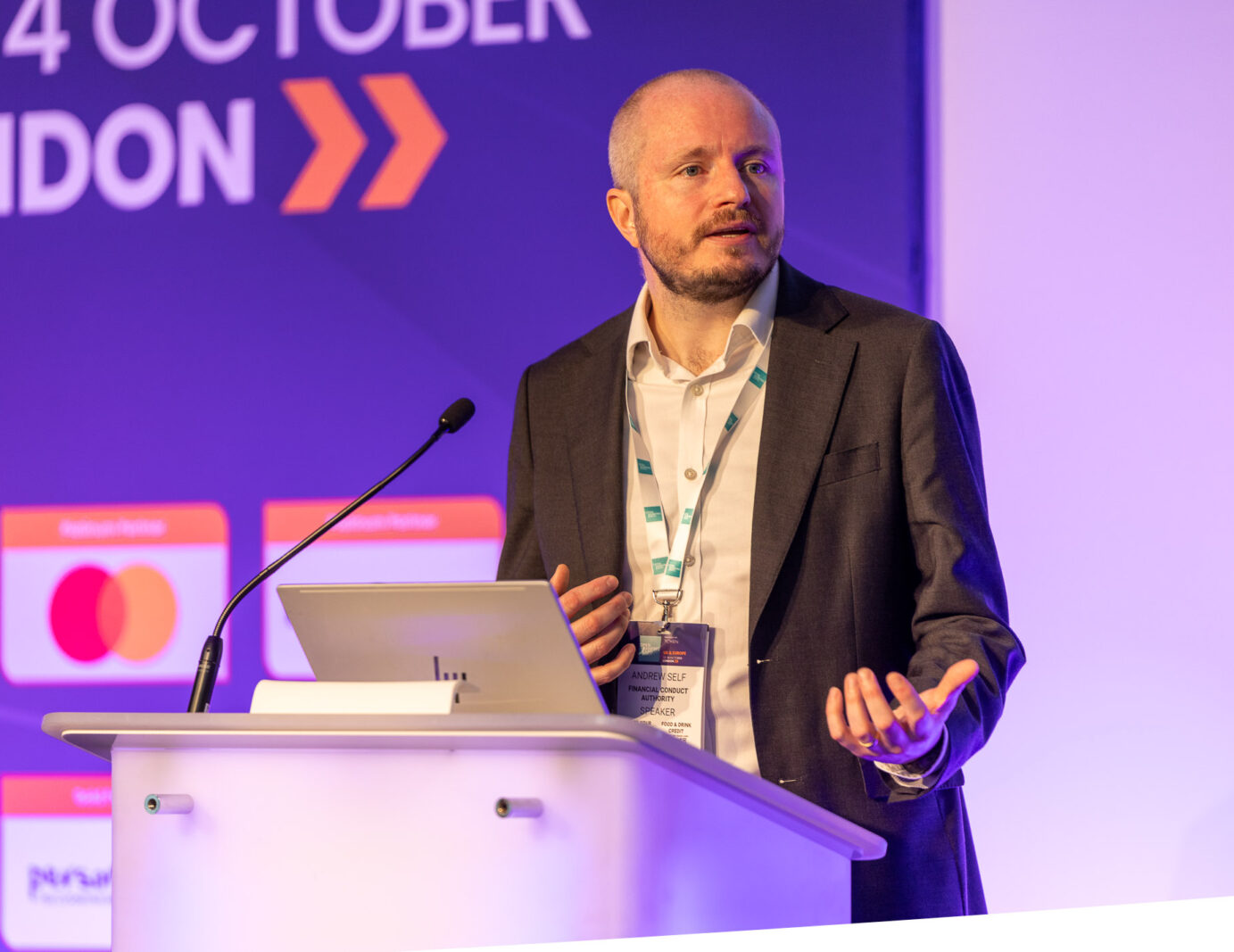
Speaking at Open Banking Expo UK & Europe 2026 in London, Andrew Self, Head of Department responsible for Open Banking and Open Finance at the FCA, outlined the regulator’s progress towards turning its Open Finance roadmap into practical policy and delivery.
The forthcoming engagement will involve roundtables and bilateral meetings. It will bring together findings from the FCA’s Smart Data Accelerator, industry engagement, the Prism Taskforce and the Mills Review, which examined the potential impact of AI on financial services.
Self explained that it would not present a settled regulatory model but would instead explore the choices facing policymakers and invite further evidence from industry.
“It will test some of the key choices that need to be taken, and it will invite evidence on what is needed to move from promising use cases through to sustainable delivery,” he said.
The announcement comes as the government prepares to consult in 2027 on how best to deliver the benefits of Open Finance, initially focusing on SME lending.
SME lending and mortgages lead the way
Self confirmed that SME lending and mortgages remain the FCA’s two priority use cases for Open Finance, with both offering opportunities to demonstrate how improved access to financial data could deliver tangible benefits.
For small businesses, better data sharing could help lenders assess applications more efficiently, improve access to capital and provide financing better suited to individual businesses.
In the mortgage market, the regulator is examining how consented data sharing could reduce repetitive paperwork, simplify customer journeys and improve decision-making.
The FCA has already undertaken practical testing through its Smart Data Accelerator, including technology and policy sprints examining the data, infrastructure and operational requirements needed to support these services.
Self said the work had moved beyond theoretical discussions of Open Finance’s potential.
“We’ve started to genuinely test with synthetic data sets what is achievable, and then we will shortly set out what we think that means for the regulatory framework.”
He stressed that the lessons learned from Open Banking would be important, but that its regulatory and commercial structures could not simply be replicated across the broader Open Finance ecosystem.
Commercial sustainability and trust will be critical
Self also highlighted the need for viable commercial models, trusted data-sharing arrangements and appropriate governance if Open Finance is to develop sustainably.
“Open finance can’t develop sustainably if participants cannot see a viable route to investing, innovating, and maintaining infrastructure,” he said.
However, those commercial arrangements must also support effective competition and deliver genuine value to consumers and businesses.
Consumer trust will be equally important, particularly as AI creates new opportunities for the use of financial data.
“Trust isn’t what slows down innovation. Trust is what allows it to scale,” Self told delegates.
He pointed to the progress already made in Open Banking, including the June launch of the UK Payments Initiative, the country’s first commercial variable recurring payments scheme, and industry-led work to establish a future Open Banking entity.
Nevertheless, Self acknowledged that further work is needed to establish a sustainable long-term regulatory framework for Open Banking alongside the development of Open Finance.
Industry urged to engage now
Looking ahead, Self encouraged financial institutions, fintechs and other stakeholders to contribute evidence and test propositions rather than waiting for every element of the future regulatory framework to be finalised.
“This isn’t an invitation for firms to wait until every part of open finance is settled,” he said.
“It’s an invitation to engage now and help shape the future of open finance.”
He concluded that the success of Open Finance would ultimately be measured not by the number of regulatory documents produced, but by improvements experienced by consumers and businesses, from easier access to finance to greater control over their financial information.
The FCA’s forthcoming stakeholder engagement will mark another step towards establishing the conditions for Open Finance to operate at scale in the UK.
To contact the FCA about participating in upcoming engagement email: OpenFinanceRoadmap@fca.org.uk